1080P Body Camera for Wearable Recording
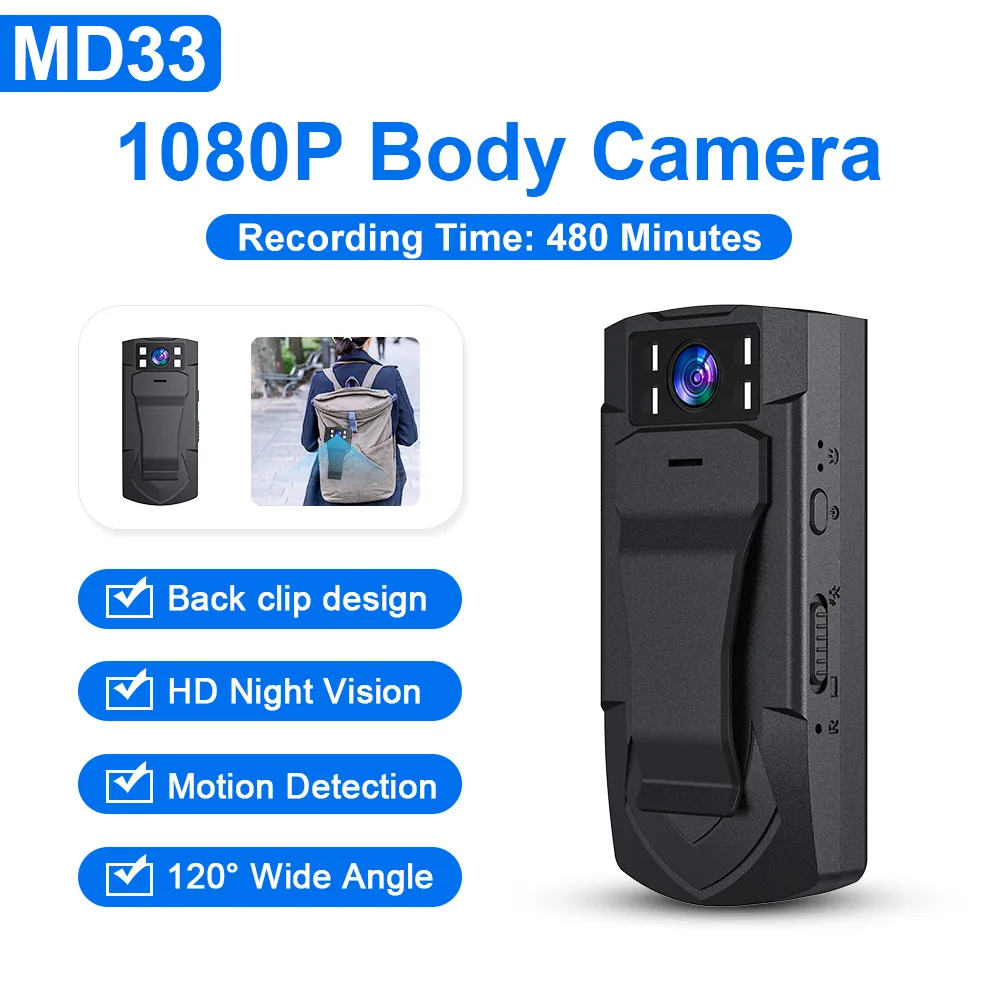
This overview examines a wearable 1080P body recorder built for hands-free capture during patrols, inspections, and other field work, where a phone or handheld camera is impractical. It walks through what matters when choosing one: mounting options, battery and storage behavior during long shifts, low-light performance, and how footage is offloaded and secured after a session.
The core function of a body-worn recorder is straightforward: it captures what the wearer sees, without occupying the wearer's hands. A 1080P body camera is the practical expression of that idea. It is not a general-purpose camcorder shrunk down to pocket size, nor a phone accessory. It is a device designed to be clipped to a uniform shirt, a chest harness, or a lanyard, and to keep recording while the person wearing it does something else with their hands.
Product characteristics
The defining trait of a wearable 1080P recorder is that it stays out of the way. A handheld camera demands a grip, a viewfinder, and a moment of deliberate framing. A body camera demands none of these. It is switched on, and it records forward from the wearer's torso, which in most field situations is the correct vantage point: the direction the wearer is walking, the surface the wearer is inspecting, the person the wearer is speaking to.
That constraint shapes the physical design. The housing is typically compact and flat enough to sit against a shirt without swinging, and the lens is positioned to avoid being blocked by the wearer's arm or equipment. Controls are reduced to a small number of physical buttons, because the device is often operated by feel, in gloves, or in poor light. A visible recording indicator matters more than it might seem: it tells the wearer and anyone nearby that capture is active, which is both a practical and an ethical feature in any setting where recording is regulated.
Because the camera is worn rather than held, mounting hardware is part of the product, not an afterthought. Clips, chest mounts, and lanyard attachments each suit different clothing and different work. A clip works on a collared shirt or a jacket lapel; a chest harness distributes weight and keeps the lens steady during movement; a lanyard suits users who need to raise the camera quickly. Buyers should treat the mount as a selection criterion in its own right, since a camera that will not sit securely on the uniform in question will not be used.
Technical parameters
The 1080P designation refers to the recording resolution, and it is the resolution most body cameras settle on for a reason. It is high enough to resolve faces, license plates, and document text at conversational distances, and low enough to keep file sizes and processing demands manageable over a long shift. Higher resolutions increase storage and power consumption without necessarily improving the evidentiary value of the footage, particularly when the wearer is moving.
Field of view is the parameter that most affects what the footage actually shows. A narrow lens records a tight, stable image but misses peripheral context; a wide lens captures more of the scene but introduces edge distortion and makes distant details smaller. For body-worn use, a moderately wide field of view is the usual compromise, capturing both the subject in front of the wearer and enough surroundings to establish where the wearer was standing.
Low-light behavior deserves attention before purchase. Sensors differ in how they handle dim indoor spaces, night shifts, and shadowed outdoor areas, and the difference shows up as either usable footage or heavy noise. Frame rate, storage capacity, and battery endurance during continuous recording are likewise variables that determine whether the device lasts a full shift or has to be recharged mid-duty. These figures vary by configuration; consult the specification sheet for the values that apply to a given unit.
Storage and offload are part of the technical picture as well. Footage must be moved off the device and stored somewhere it can be retrieved, indexed, and protected from tampering. The workflow for doing that, whether by removable card, cable, or docking, should be understood before deployment, because a camera whose footage cannot be reliably transferred is of little use afterwards.
Application scenarios
Body-worn 1080P recording suits work where the hands are occupied and the record matters. Security and patrol personnel use it to document interactions as they happen. Inspectors use it to capture the condition of equipment, sites, or structures while their hands are free to test and measure. Field service technicians use it to record a fault before repair, which shortens later diagnosis. Delivery and logistics staff use it to document the condition of goods at handover. In each case the value comes from the same property: the camera records continuously from the wearer's point of view, without the wearer stopping to operate it.
The device is not the right tool for every recording task. Where stable framing, zoom, or long continuous runtime is required, a tripod-mounted or handheld camera remains the better choice. The body camera's advantage is mobility and hands-free operation, and it should be selected when those are the priorities.
Selection guidance
When comparing units, start with the mount and the controls, because those determine whether the camera will actually be worn. Then look at field of view and low-light performance, since those determine whether the footage will be usable. Battery endurance and storage capacity come next, measured against the length of a typical shift rather than a short test. Finally, confirm how footage is transferred and stored, and whether that process fits the way the organization already handles records. Resolution alone, at 1080P or otherwise, tells you very little about whether a body camera will do its job.
Читайте также
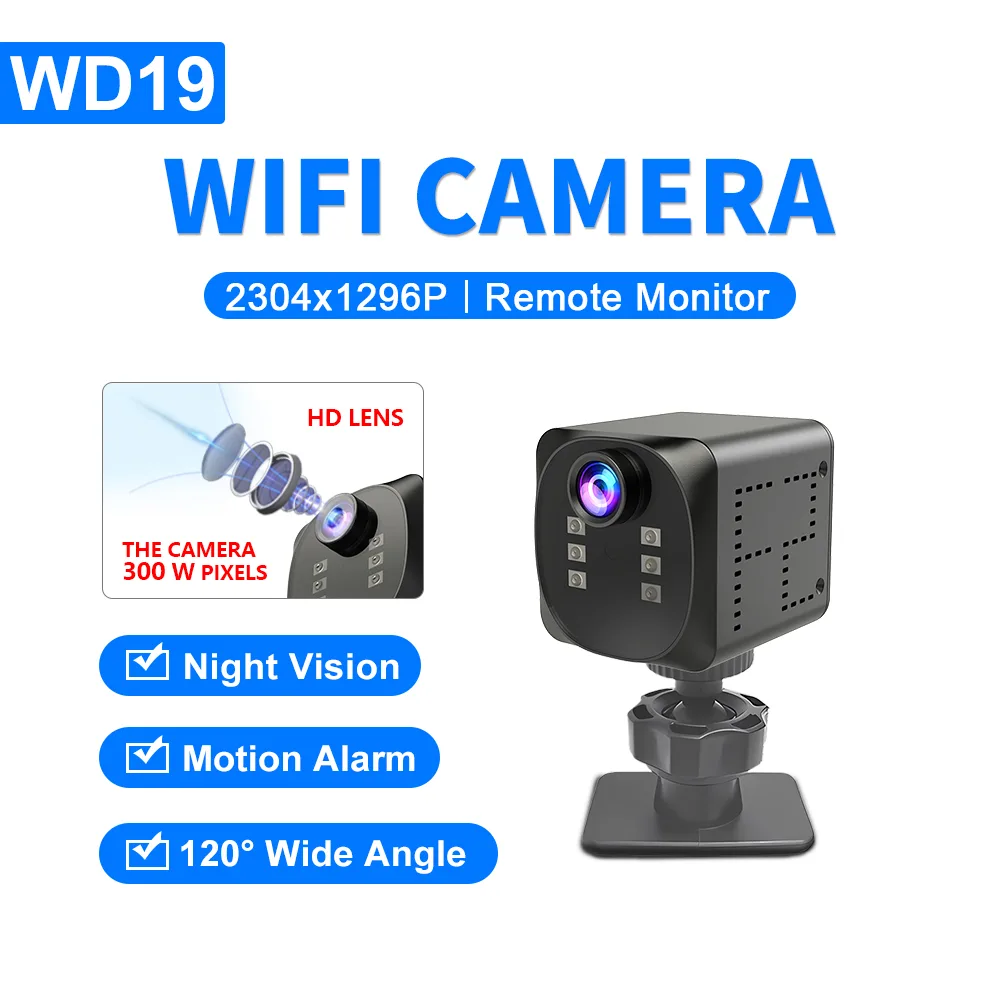
WD19 Mini Battery IP Camera 3MP HD Cam Indoor
This article introduces a compact battery-powered IP camera built for flexible placement where wired power is impractical, and explains how its mini form factor affects mounting, coverage, and everyday use. It highlights the trade-offs that come with battery operation, such as standby power management and recording triggers, so buyers can judge whether this type of camera suits their site. Specifications are covered separately in the spec sheet.
Читать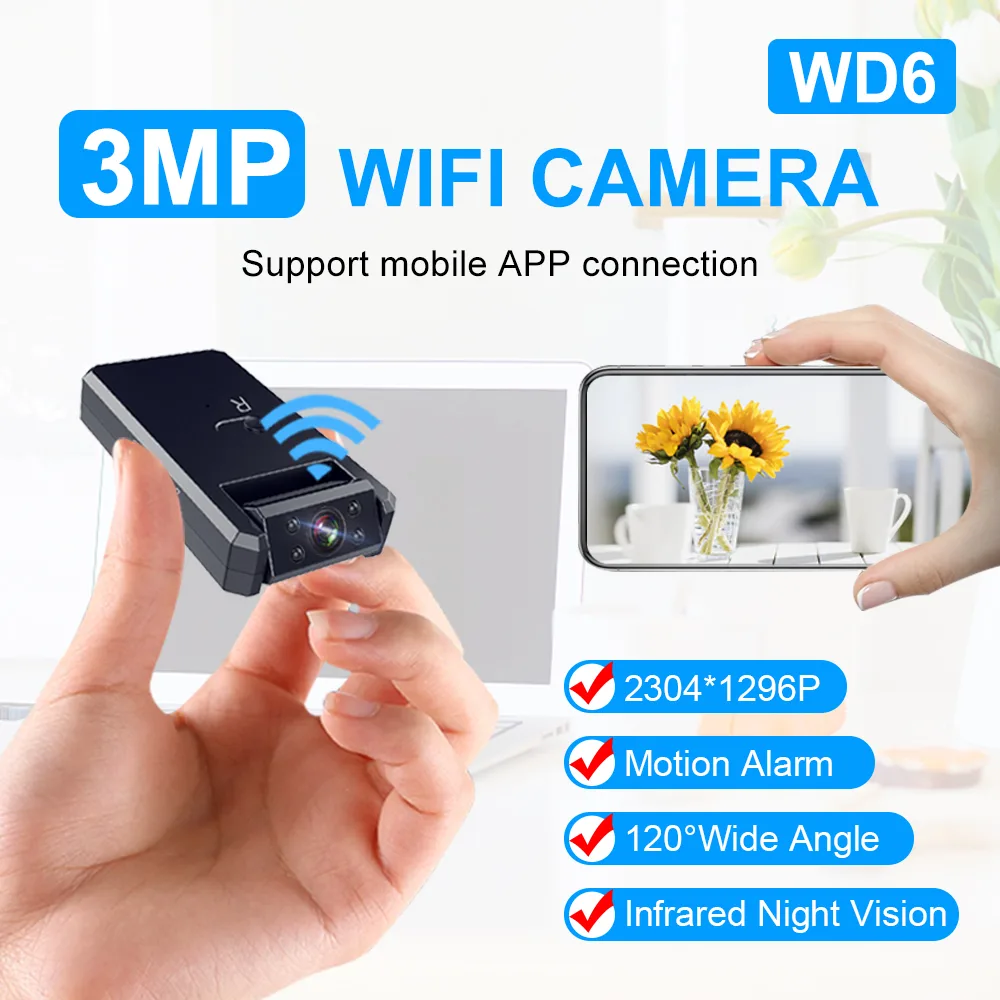
WD6 HD WiFi Camera IPC Mini Battery Cam for OEM and Small-Batch Orders
The WD6 HD WiFi camera is a compact battery-powered IP camera aimed at buyers who need flexible order volumes rather than container-scale runs. It addresses the common problem of sourcing mini cameras when your quantity is too small for most factories, and it can be customized under your own brand. The key point worth noting is the combination of small-batch acceptance with OEM support.
Читать